
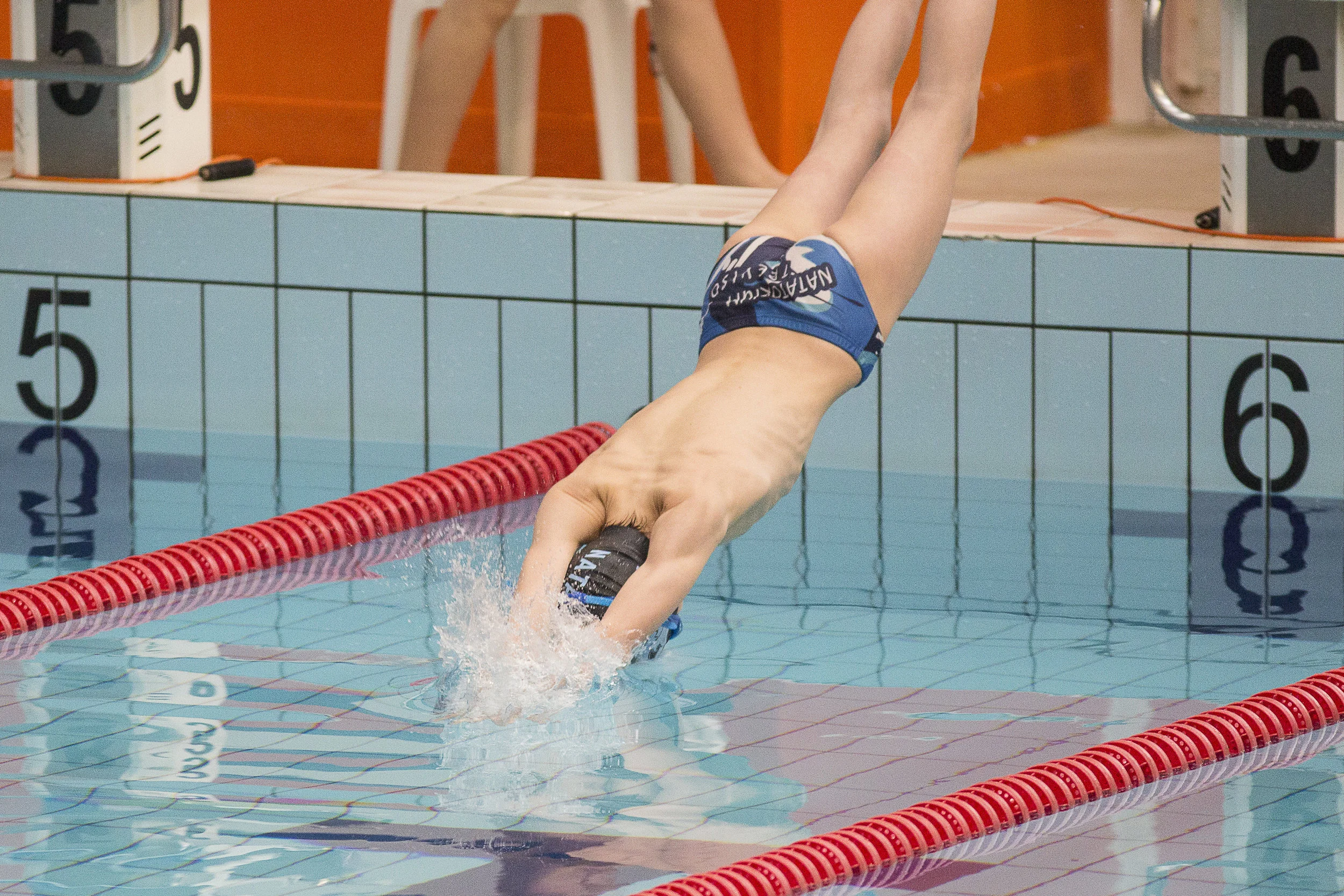
MINNESOTA ICE: IN THEIR OWN WORDS
Founding members and early swimmers from Minnesota Ice’s history share their memories of how the team began and grew into the community it is today. A huge thank you goes out to Lindsey Kopp, who reached out to past members in 2025 to ask for their responses.
🏊 Personal Journey & Joining the Team
How did you first hear about the team and when did you join?
Lindsey Kopp: From Dave Biemesderfer. He said there was an informal group gearing up for the 1994 Gay Games in NYC. Team Minnesota was all sports, I don’t know who was the overall coordinator, maybe Hal Pickett. I think there were about 7 swimmers, including two female.
Dave Biemesderfer: To be honest, I can’t recall exactly how I first heard about the team. I might have learned about if from Chris Andersen or Lindsey Kopp but I’m not sure. I also don’t recall exactly when I first joined the team, but it was sometime in the late 1980s/early 1990s.
What motivated you to join?
LK: It was a time in my life to expand friendships and start another exercise routine.
DB: I had gotten injured while training for a triathlon and the injury prevented me from running, so I decided to get back into swimming (see below). Swimming with a group seemed like a great way to keep me motivated and engaged.
What was your swimming background before joining (competitive, recreational, new to the sport)?
LK: I swam in high school, then had a mostly 19 year hiatus.
DB: I was a competitive swimmer from ages 8-18. I was on an AAU team and was also on my high school swim team (and co-captain of the team). In college I switched to running and during my early 20s I did lots of 10Ks and a few marathons. Then in my mid-20s I decided to get into triathlons, which got me back into swimming.
What do you remember about your first practice, first IGLA/Gay Games?
LK: In the NYC Gay Games I remember all teams marched around the field at Yankee Stadium and up to our seats. Harvey Fierstein was a bit away on the field announcing the teams. We had nothing that spelled out “Minnesota” and he never understood our gestures, so we didn’t get any recognition. In NYC I was DQ’d in one event. Live and learn. But I came back from the meet excited by the experience and determined to keep on swimming.
DB: I don’t recall my first practice with the team, but I definitely recall the first IGLA Gay Games in New York City in 1994. It was such an incredible experience to be participating in a positive and uplifting event with so many LGBTQ+ athletes from all over the world. I also remember the MN Ice team having a great time gearing up the games; it was a great goal for all of us to work towards together. I also have great memories from the 1998 Gay Games in Amsterdam. But by that time I had met my current husband (we’ve been together since!), and we were able to experience that event together.
🏳️🌈 Identity & Community
What did it mean to you to swim on an openly LGBTQ+ team at that time?
LK: It was, on the one hand, unique and radical. On the other, it was just normal life, as it should have been.
DB: It meant a great deal to me to be swimming on an openly LGBTQ+ team at that time. Anyone around at that time knows that the 1980s were a really challenging time for our community. We were dealing with the horrific HIV/AIDS crisis, fighting to achieve basic equal rights for LGBTQ+ folks, etc. So, to be on a team with other openly gay men where we were pushing and challenging each other to do our best in a positive and healthy environment, as well as creating a nice social network, was particularly important to me at that time in my life.
How did the team create a space where you could bring your whole self?
DB: I had come out in my mid-20s and joined the MN ICE team in my late 20s/early 30s, so the space created by MN ICE contributed to my further development as a confident and openly gay man. The team offered way for me to connect with other gay men at an important time in my life development-wise.
Did you feel different levels of acceptance or visibility within the broader swimming world compared to the LGBTQ+ community?
LK: I felt acceptance when USMS’s Swimmer Magazine sometimes included information on Gay Games and IGLA meets. That was progress in the 1990s.
🏟️ Team Culture & Traditions
What was the team dynamic like in the 1990s/early 2000s?
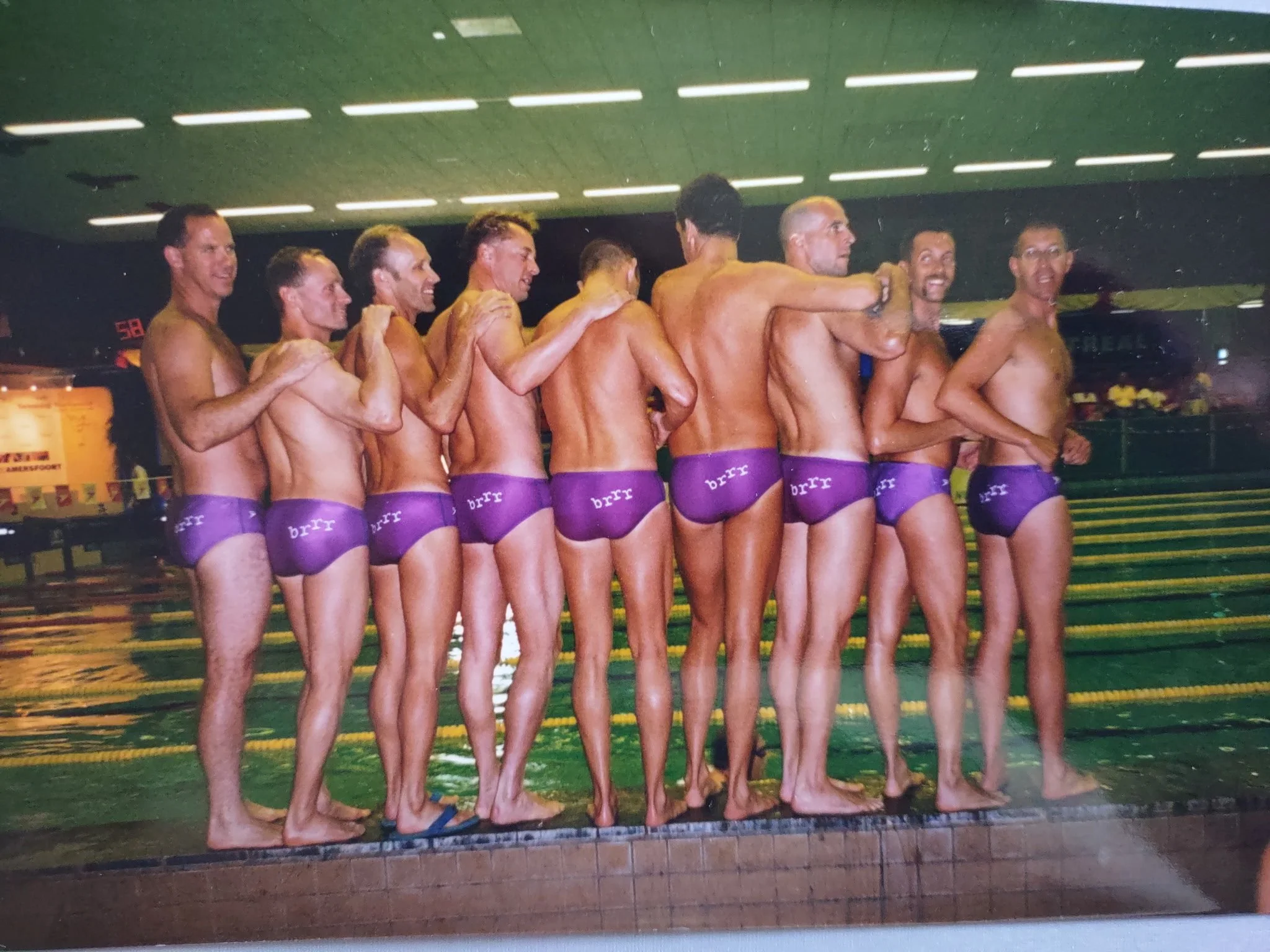
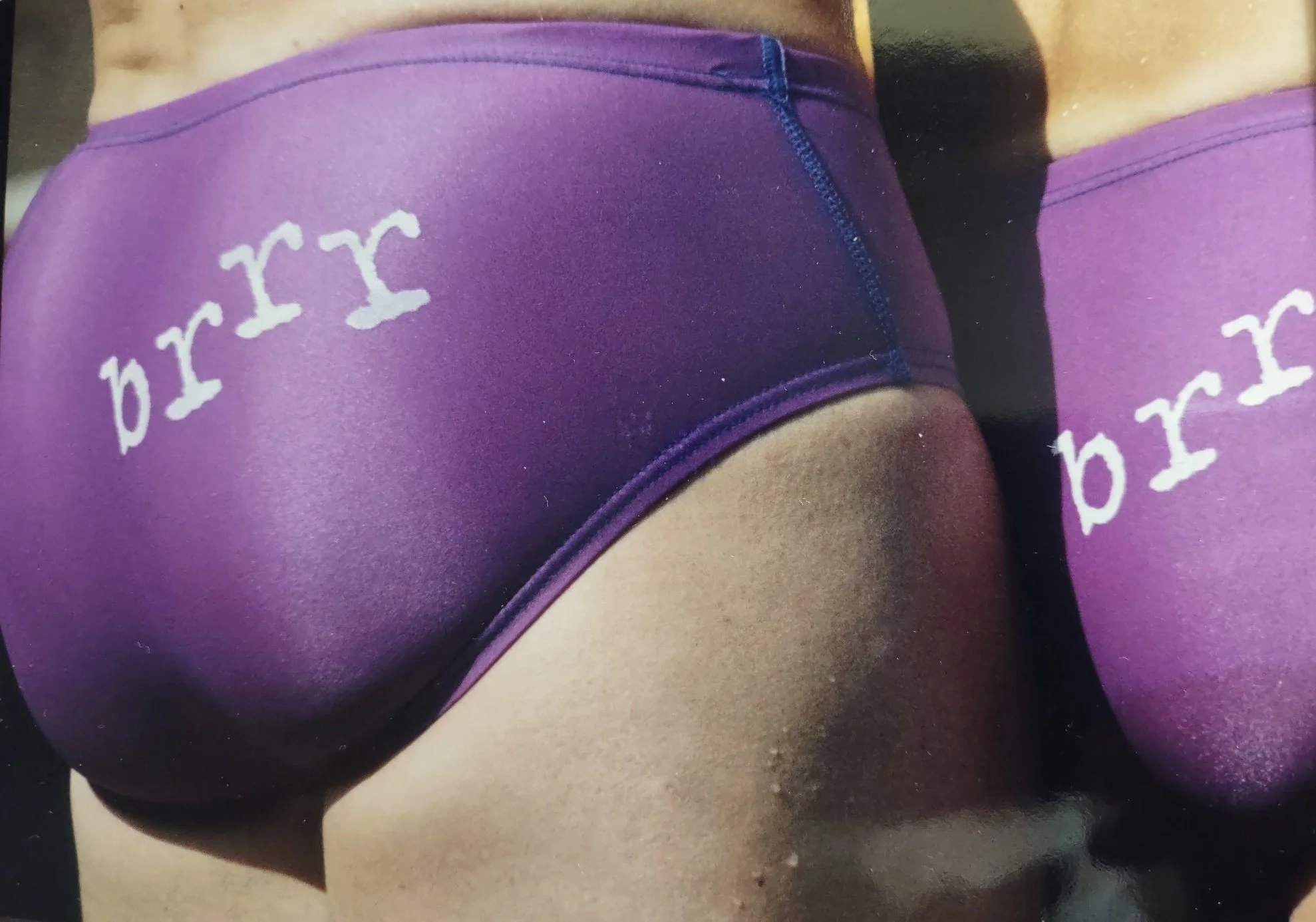
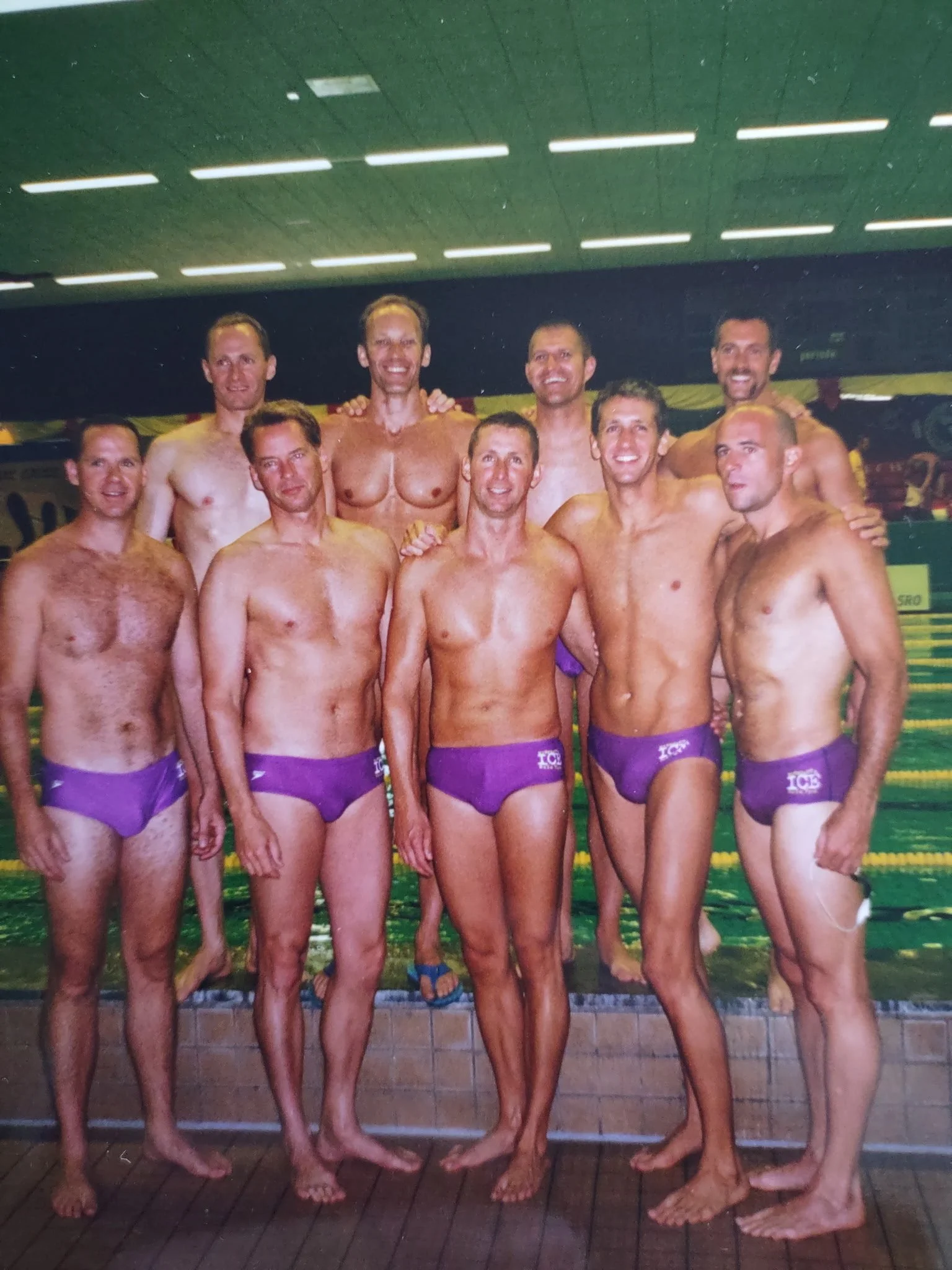
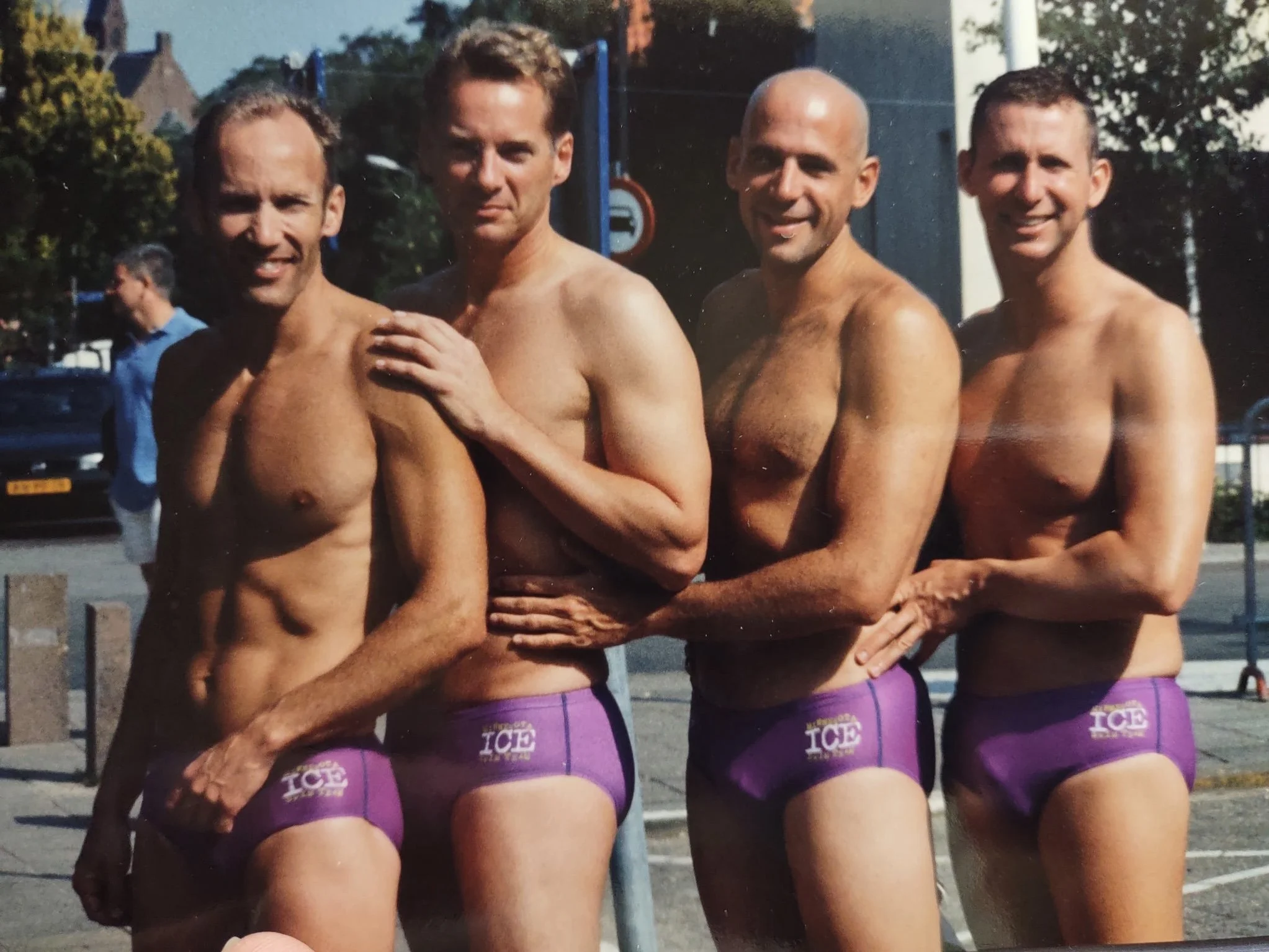
LK It was great camaraderie to be with a bunch of gay guys. Sometimes we even concentrated on swimming techniques! A couple more experienced members kindly led workouts. There were often straight people that practiced and competed with us. When gearing up for the 1998 Amsterdam Gay Games we decided that we needed an identity. Scott Winter knew some creative people who gave us a list of ideas for names. After discussion we came to consensus with “Minnesota Ice Swim Team.” It was a play on the Minnesota “Nice” reputation. Scott coordinated suits and t-shirts. The is when the “Brrr on the butt” suits debuted (pics). This was the most organized we ever were. We were nothing like the team Luke, et al, has put together in the 2020s.
DB: I remember the team dynamic as being very collegial, friendly and positive. We pushed each other to stick with our regular swimming practices. I recall that we had a lot of fun coming up with the team name, creating our first team “swag,” organizing trips for IGLA meets and especially the Gay Games. I also recall doing social things together outside of team practices. I have nothing but fond memories.
Were there any particular rituals, events, or traditions that stand out?
LK: We practiced Saturday morning at the Uptown YWCA. As Tom Senn once said, the highlight was breakfast after across the street at A&J Gem Café (until the owners had a lovers’ quarrel that resulted in a fire and closing of the café, whereupon we switched to Ruby’s on Loring Park) and then a walk to Acres Garden store that was owned by friends and team sponsors.
Can you describe the social side of the team (after practice, traveling for meets, parties, friendships, etc.)?
LK: Besides post practice breakfasts, often we had house dinners for team members and friends. Many swimmers and team friends formed a group that trained for and completed the Twin Cities Chicago AIDS Ride in 1996.
DB: As I mentioned above, I do recall us doing things socially outside of the practices. Going out to eat, going to dinners or parties at each other’s homes, etc. Of course we’d also do lots of socializing whenever we’d travel together for meets. Fun stuff.
🌍 Historical Context
How did larger events of the 1990s (e.g., the AIDS crisis, shifts in LGBTQ rights, representation in sports) shape the team’s identity or your experience on it?
LK: The view of a large section of society was negative towards gays and lesbians. Nothing like it was for earlier generations, of course. My belief is that drove us to group for mutual support and safety. There were all kinds of groups doing the same; in sports, politics, industry, everywhere. We were in a fight for survival and recognition that I think most of us believed would be successful in the end and that society writ large understood we deserved fair treatment. The election of Bill Clinton in 1992 and things like the Will & Grace TV show starting in 1998 were very uplifting. But then there was Don’t Ask/Don’t Tell and Matthew Shepard and the Defense of Marriage Act. And some people worried about losing their job or family. It still happens, but much, much less frequently. Many of us were actively involved in the Human Rights Campaign Fund dinners held annually. Attitudes changed gradually. At the Chicago Gay Games in 2006 Mayor Richard Daley gave a moving speech at the opening ceremony in Soldier Field in part saying “You are welcome in this city!” Some may be surprised now, but society in the 2020s is so different and by comparison, accepting and easy. It almost isn’t special to be gay anymore. Hopefully Trumpism won’t change that.
DB: I’ve already touched on this above. For younger LGBTQ+ folks, it’s hard to explain just how much a lot of things sucked in the 1980s and into the 1990s for the LGBTQ+ community. We had it better than earlier decades, but things today are so much better than back then in so many ways (although sadly things are starting to regress in the Trump era, which is painful to watch). So I think that just made me value even more my experience with the MN ICE team.
Did you feel the team had a role in visibility or activism in the community?
LK: Not very much. There was word of mouth among our friends and an occasional article in one of the Gay newspapers. Sometimes we talked about marching in the Pride Parade as a team, but you know, swimmers have a tendency toward introversion. [And we did not have Luke to lead us.]
DB: I think so. For me personally, I started to get involved in political and community activism at around the same time that I got involved with the MN ICE team, and I don’t think that was a coincidence. And I recall a lot of us on the team would talk about activism during practices, get-togethers, etc.
🏆 Competition & Athletics
Did you compete at swim meets? What were those experiences like, both locally and at bigger events (like IGLA or Gay Games)?
LK: I did compete. They were always very well-organized and run well.
Did swimming on this team change your relationship with the sport itself?
LK: Yes, I realized I was an OK swimmer if I worked hard and that I could do more than one stroke and as I age, I am [comparatively] better.
DB: Perhaps. I stopped swimming competitively after high school because I was just burned out. As I mentioned above, I stopped swimming for a number of years. Being involved with MN ICE brought some joy back to the sport for me.
💬 Memorable Stories
What is one of your favorite memories from your time on the team?
LK: At IGLA 1995 in Montreal I met some swimmers from the Sacramento team with whom I still keep in touch. IGLA 2004 Ft Lauderdale had a fun jungle cruise and dinner/awards banquet. 2011 Honolulu had a terrific dinner at the zoo. It was exciting to compete in the former Olympic pools in Montreal (1995) & Atlanta (2005). Traveling overseas to IGLAs/Gay Games was really exciting: Amsterdam, Reykjavik, Paris (twice), Stockholm.
Do you have any funny or unexpected stories that still stand out?
LK: At the Amsterdam Gay Games in 1998, you would go to the check in room before your heat. The announcer would say again and again what sounded like “Event so-and-so report to the chicken room.” At IGLA 1997 San Diego one team did a Pink Flamingo skit called something like “Martha Stewart Living and Dying”. It made [tasteless] fun of Martha and some people who recently died, including John Denver and Princess Diana. The London team was aghast.
🕰️ Reflections & Legacy
Looking back, what impact did the team have on your life?
DB: Throughout my life, exercising regularly and staying healthy have always been important to me. The team helped me keep that going at an important time in my life, when I was coming of age as an openly gay adult.
If you were telling a new member today why this history matters, what would you want them to know?
LK: Stay in it for the long haul. Life gets better.
DB: I think it’s always helpful for younger people in the LGBTQ community to know about those who came before you. I know younger folks have already heard all of this before, but things are so much better today for our community than they were back in the 1980s and 1990s when the team was forming initially. And unless we’re hyper-vigilant today to protect our rights, we run the risk of going back to those times. Trust me, you don’t want that. I think being involved in our community through the MN ICE team helped a lot of us find support, friendship and resolve that sustained us in other aspects of our lives.
MINNESOTA ICE HISTORY AT IGLA AND THE GAY GAMES
Minnesota Ice debuted at the 1994 Gay Games in New York City as the “Minnesota Rainbow Trout”. This name was used up until 1998 at IGLA Amsterdam, where the team selected the name “Minnesota Ice”. Below is a history of MNICE at IGLA Championships and the Gay Games, compiled from historical results from IGLA and the Gay Games archives, as well as and past members’ recollections and memorabilia. Team members in attendance are listed, if known, along with any other results or information that could be found.
The 1990’s
Gay Games 1994 New York City (SCM)
Minnesota Ice takes 14th in the Small Team Division (24th overall out of 33 teams)!
Team Members Present: Chris Andersen, Dave Biemesderfer, John Bullough, Onesimo De Mira, Rob Fredericksen, Lindsey Kopp, Hal Pickett, Mark Trampf, Diane Heydt, Laurie Jensen
IGLA Records Broken:
30-34 Diane Heydt 50 Breast 37.81
30-34 Diane Heydt 100 Breast 1:21.34
30-34 Diane Heydt 200 Breast 2:58.76
IGLA 1995 Montreal
Team Members: Dave Biemesderfer, Lindsey Kopp
IGLA 1996 Washington DC
Team Members: Chris Andersen, Dave Biemesderfer, John Bullough, Lindsey Kopp, Stephen Nelson, Tom Senn, Jason Smith
IGLA 1997 San Diego
Team Members: Chris Andersen, Dave Biemesderfer, Lindsey Kopp, Mark Larson, Steve Nelson, Mark Trampf, Scott Winter
Gay Games 1998 Amsterdam (LCM)
Team name was officially changed to “Minnesota Ice”, chosen from a list of choices created by a team member’s friend in branding. Scott Winter coordinated t-shirts and the “Brrr” swim suits.
Team Members: Chris Andersen, Dave Biemesderfer, Hans Gaedeke, Lindsey Kopp, Dan Lyden, Stephen Nelson, Mark Trampf, Tom Senn, Scott Winter
Other Results:
30-34 Thomas Senn 100 Back 1:02.26 - 2nd
30-34 Thomas Senn 200 Back 2:19.57 - 2nd
40-44 Lindsey Kopp 100 Breast - 2nd
40-44 Lindsey Kopp 200 Breast - 3rd
45-49 Chris Andersen 50 Back 33.57
45-49 Chris Andersen 200 Back 2:43.96
IGLA Records Broken:
30-34 Thomas Senn 50 Back 28.68 - 1st

IGLA 1999 Atlanta (SCM)
Team Members: Chris Andersen, John Bullough, Lindsey Kopp, Steve Nelson, Tom Senn, John Van Berkom, Scott Winter
IGLA Records Broken:
30-34 Thomas Senn 50 Back 27.45
The 2000’s

IGLA 2001 Toronto
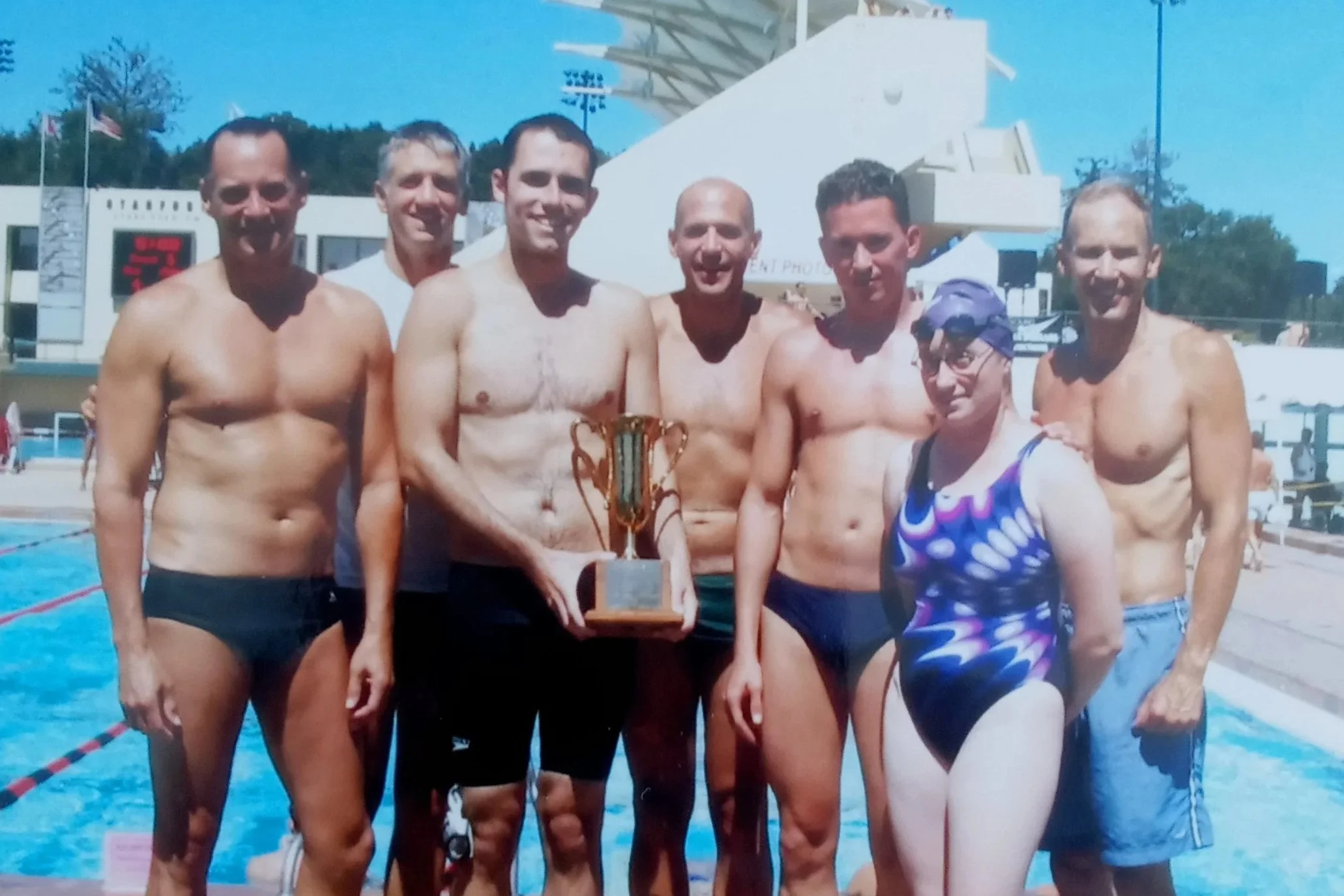
Minnesota Ice Swim Team is the Small Team Swimming Champions!

Gay Games 2002 Sydney (LCM)
Other Results:
30-34 Delina Brassard 100 Back 1:31.08
25-29 Brian Jacobson 100 Free 54.30
25-29 Brian Jacobson 50 Breast 30.64
25-29 Brian Jacobson 100 Breast 1:09.91
25-29 Brian Jacobson 200 IM 2:19.21
IGLA Records Broken:
25-29 Brian Jacobson 50 Free 24.04

IGLA 2003 San Francisco (SCM)
IGLA Records Broken:
35-39 Thomas Senn 50 Back 28.03
IGLA 2004 Fort Lauderdale (LCM)
Team Members: Chris Andersen, Brian Jacobson, Lindsey Kopp, Stephen Nelson, Delina Brassard, Michelle Rivera
IGLA Records Broken:
30-34 Brian Jacobson 50 Free 23.31 (Note: 2004 IGLA LCM Individual Records doc shows 22.91, but later record documents only show 23.31)
30-34 Brian Jacobson 100 Free 52.42
30-34 Brian Jacobson 50 Breast 29.15
30-34 Brian Jacobson 50 Fly 25.58

IGLA 2005 Atlanta (SCM)
Team Members: Chris Andersen, Terrell Brown, Juan Hoyos, Brian Jacobson, Lindsey Kopp, Stephen Nelson, Delina Brassard
IGLA Records Broken:
30-34 Brian Jacobson 50 Free 23.21
30-34 Brian Jacobson 50 Fly 25.77
30-34 Brian Jacobson 100 IM 58.38
Gay Games 2006 Chicago (SCM)
Team Members: Chris Andersen, Terrell Brown, Steven Field, Juan Hoyos, Brian Jacobson, Lindsey Kopp, Stephen Nelson
Gay Games Records Broken:
30-34 Brian Jacobson 50 Free 23.08
30-34 Brian Jacobson 50 Fly 25.85
30-34 Brian Jacobson 100 IM 59.05
IGLA 2008 Washington DC (SCM)
Team Members: Chris Andersen, Terrell Brown, Brian Jacobson, Lindsey Kopp, Paul Quigle
IGLA Records Broken:
35-39 Brian Jacobson 100 IM 58.03
35-39 Brian Jacobson 50 Breast 30.14
35-39 Brian Jacobson 50 Free 23.02
The 2010’s
Gay Games 2010 Cologne (LCM)
Team Members: Brian Jacobson, Stephen Nelson

IGLA 2011 Honolulu (LCM)
Minnesota takes 6th place in the Small Team Division (16th overall)!
IGLA Records Broken:
35-39 Brian Jacobson 50 Fly 26.45
35-39 Brian Jacobson 50 Free 24.02
IGLA 2012 Reykjavik (LCM)
IGLA Records Broken:
35-39 Brian Jacobson 50 Breast 30.63
35-39 Brian Jacobson 100 Breast 1:08.41

IGLA 2013 Seattle (SCM)
Minnesota takes 6th place in the Small Team Division (14th overall)!
IGLA Records Broken
40-44 Brian Jacobson 50 Free 23.13
40-44 Brian Jacobson 100 Breast 1:04.76
Gay Games 2014 (LCM)
Team Members: Lindsey Kopp, Brian Jacobson, Stephen Nelson
IGLA Records Broken:
40-44 Brian Jacobson 50 Breast 30.60
40-44 Brian Jacobson 100 Breast 1:09.15
40-44 Brian Jacobson 50 Free 23.31
40-44 Brian Jacobson 100 Free 53.80
40-44 Brian Jacobson 200 IM 2:15.36

IGLA 2015 Stockholm (LCM)
Team Members: Terrell Brown, Brian Jacobson, Lindsey Kopp
IGLA Records Broken:
40-44 Brian Jacobson 100 Fly 1:00.24
Gay Games 2018 Paris (SCM)
Team Members: Joe Anderson, Nathaniel Freeman, Brian Jacobson, Lindsey Kopp
IGLA Records Broken
45-49 Brian Jacobson 50 Free 23.76
45-49 Brian Jacobson 100 Free 53.82
45-49 Brian Jacobson 50 Fly 26.72
45-49 Brian Jacobson 100 IM 1:01.52
IGLA 2019 New York City (SCM)
The re-established Minnesota Ice makes it’s first international debut, placing 27th overall!
Team Members: Brian Jacobson, Kevin Kirsch, Mark Larson, Luke Paquin
The 2020’s


IGLA 2020 Melbourne (LCM)
Minnesota Ice takes 1st place in the Small Team Division (13th overall)!
Team Members: Brian Jacobson, Lindsey Kopp, Mark Larson, Stephen Nelson, Luke Paquin
IGLA 2022 Palm Springs (SCY)
Minnesota Ice takes 2nd place in the Medium Team Division (8th overall)!
Team Members: Tony Challeen, Kevin Kirsch, Ben Kosieradzki, Mark Larson, Isaac Muscanto, Stephen Nelson, Luke Paquin, Kyle Schenck, Matthew Stegeman, Josh Tomashek, Hilary Hercules

IGLA 2023 London (SCM)
Minnesota Ice takes 2nd place in the Medium Team Division (7th overall)!
Team Members: Tony Challeen, Andrew Dotson, Gabe Hartog, Kevin Kirsch, Ben Kosieradzki, Mark Larson, Tyler Lovan, Stephen Nelson, Luke Paquin, Josh Tomashek, Gerry Tyrrell, Kelsey Knothe, Carly Krump,
Gay Games 2023 Guadalajara (LCM)
IGLA Records Broken:
50-54 Brian Jacobson 50 Fly 28.45
50-54 Brian Jacobson 50 Breast 33.65
IGLA+ 2024 Buenos Aires (SCM)
Minnesota Ice takes 5th place in the Medium Team Division (13th overall)!
Team Members: Tony Challeen, Andrew Dotson, Gabe Hartog, Brian Jacobson, Mark Larson, Tyler Lovan, Stephen Nelson, Luke Paquin, Hernan Paz, Josh Tomashek
Records Broken:
50-54 Brian Jacobson 50 Free 25.34
IGLA+ 2025 Washington DC (SCM)
Minnesota Ice takes 7th place in the Small Team Division (16th overall)!
Team Members: Paul Filgmiller, Lindsey Kopp, Mark Larson, Stephen Nelson, Luke Paquin
Gay Games 2026 Valencia (LCM)
Team Members: Tony Challeen, Paul Figlmiller, Gabe Hartog, Brian Jacobson, Kevin Kirsch, Lindsey Kopp, Tyler Lovan, Stephen Nelson, Luke Paquin, Hernan Paz, Josh Tomashek, Christina Berg
Records Broken:
50-54 Brian Jacobson 50 Breast 32.84
50-54 Brian Jacobson 100 Breast 1:14.90